
Can meditation really help with caregiver stress and anxiety? After my mother’s ICU experience, I discovered that the meditation practice I’d followed for years was no longer working for me. Here’s what changed, what helped and why meditation can be a valuable tool for caregivers.
I’ve been meditating for years. Long before caregiving became such a significant part of my life, Vipassana was my way of finding stillness in an otherwise busy world. I could sit quietly, observe my breath and let my thoughts come and go without getting too attached to them.
Then my mother landed in the ICU, and everything changed.
Suddenly, silence wasn’t peaceful anymore. It was filled with medical reports, conversations with doctors, memories of frightening hospital days and the constant anticipation of another emergency. Every time I sat down to meditate, my mind seemed determined to remind me of everything that could go wrong.
The irony wasn’t lost on me. The one practice I’d relied on to manage stress had become difficult to do precisely when I needed it most.
That’s when I moved from Vipassana to guided meditations, particularly those by Joe Dispenza. And while I don’t believe meditation can magically change someone else’s medical condition, it became one of my most valuable tools for managing caregiver anxiety.
Not because it made the uncertainty disappear, but because it helped me change how I responded to it.
If you’re a caregiver whose mind never seems to switch off, meditation might be worth exploring. Not as another self-care obligation, but as a practical way to reclaim a little emotional breathing room.
Why Caregivers Struggle With Stress and Anxiety

Caregiving doesn’t end when the nurse arrives, the medication has been administered or the day’s appointments are finished. The responsibility follows you everywhere. You might be having dinner with friends while mentally reviewing a medical report. You might be working while waiting for an update from the hospital. Or you might finally have a quiet evening, only to find yourself imagining everything that could go wrong tomorrow. This constant anticipation is one of the most exhausting aspects of caregiving.
When you’ve experienced repeated medical emergencies, your mind can become unusually sensitive to possible threats. Psychologists call this heightened watchfulness hypervigilance. Although it can occur in trauma-related conditions, it doesn’t automatically mean someone has PTSD.
For caregivers, it may look like repeatedly checking your phone, worrying about minor symptoms or struggling to enjoy good news because you’re already anticipating the next complication.
I know that feeling well. When my mother is doing better, I’m relieved. But after everything we’ve been through, part of my mind can still wonder how long that stability will last.
And that’s where meditation began to make a difference for me.
Why I Switched From Vipassana to Guided Meditation
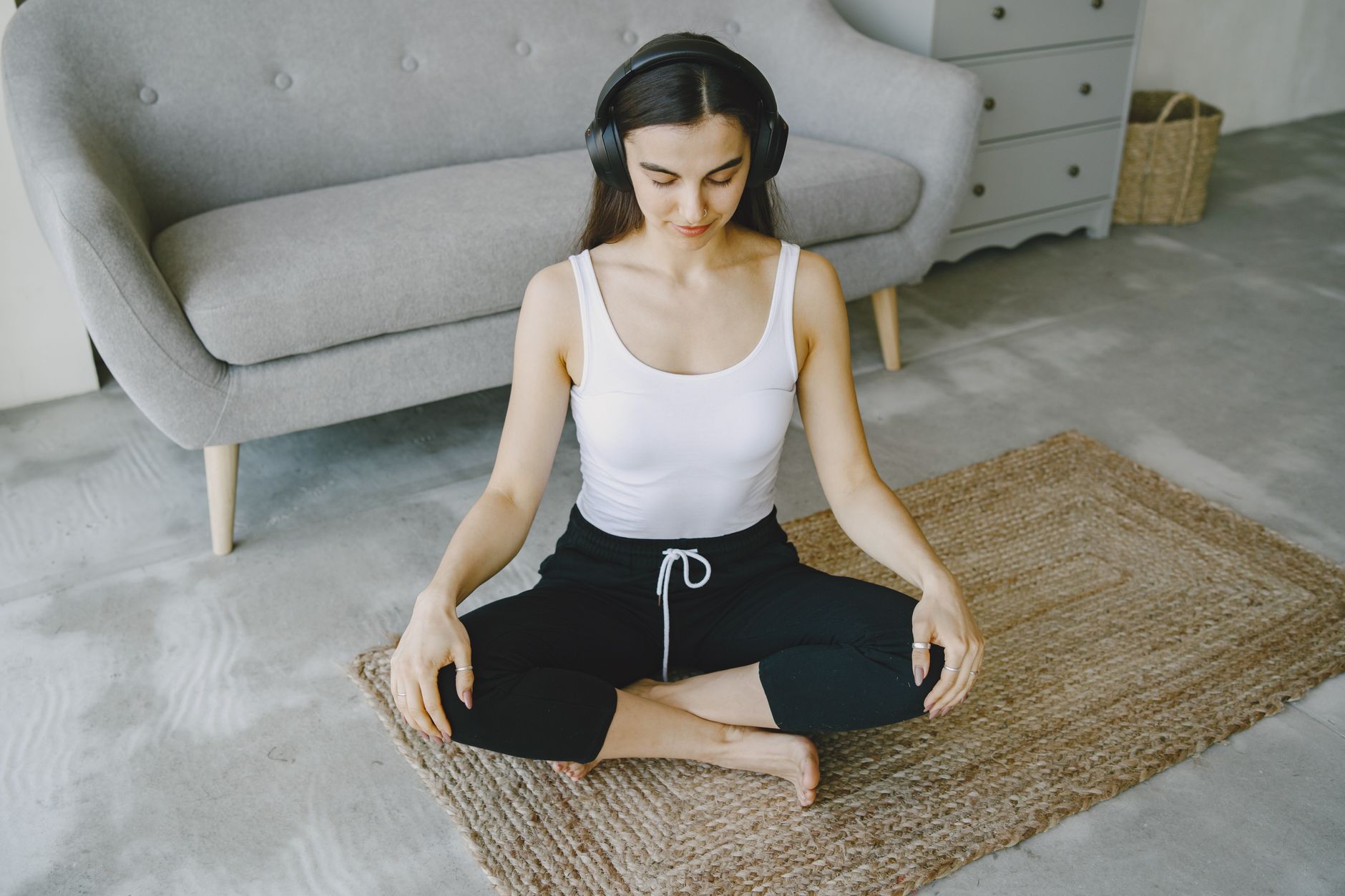
Vipassana hadn’t stopped being valuable. My circumstances had changed.
Vipassana involves developing awareness of bodily sensations and mental experiences without automatically reacting to them. It’s a practice that can cultivate patience, attention and equanimity.
But after my mother’s ICU experience, sitting quietly with my thoughts became surprisingly difficult. My mind was already occupied with medical uncertainty, and without external guidance, I found myself drifting back into worry.
So I started experimenting with guided meditation. I was particularly drawn to Joe Dispenza’s meditations, which often combine spoken instructions, music, breathing exercises and visualisation.
The difference was immediate in one important respect: I had something to follow. Instead of sitting alone with a mind determined to analyse every medical possibility, I could direct my attention towards the voice, the instructions and the experience of the meditation itself.
I also found visualisation helpful. Rather than spending every quiet moment imagining frightening outcomes, I could deliberately picture calmer possibilities: my mother comfortable, myself feeling emotionally steady or simply an ordinary day without fear dominating every thought.
Some of Dispenza’s broader claims about healing and consciousness aren’t supported by established clinical evidence. But the practical benefits I experienced didn’t require me to accept those claims. For me, guided meditation was a way of interrupting the constant cycle of worry.
And gradually, with regular practice, I began to feel more emotionally balanced.
The Benefits of Meditation for Caregivers

Meditation isn’t a cure for caregiver burnout, trauma or anxiety disorders. But research suggests that mindfulness-based practices can help some people manage stress, anxiety and depressive symptoms.
For caregivers, the benefits can be especially relevant because so much of the emotional burden comes from circumstances that are difficult to control.
1. Meditation can help manage caregiver anxiety
When you’re caring for someone with a serious illness, your thoughts can quickly move from a minor concern to a catastrophic scenario. Meditation helps you practise noticing those thoughts without automatically following them. You may still worry, but you can become better at recognising when you’re imagining a possibility rather than responding to something that’s actually happening.
2. It can create a pause between stress and reaction
Caregiving can make even patient people irritable. After a difficult medical update or a sleepless night, an ordinary inconvenience may feel overwhelming. Mindfulness can help you recognise emotional reactions earlier and create a little space before responding. That doesn’t mean never feeling angry or frustrated. It means having more opportunities to respond deliberately rather than automatically.
3. It may improve sleep and relaxation
Many caregivers struggle to switch off at night because their minds remain occupied with responsibilities and worries. Some meditation and relaxation practices may improve perceived sleep quality, although results vary and they aren’t substitutes for treating persistent insomnia.
A short evening guided meditation can also provide a useful transition between the day’s caregiving responsibilities and bedtime.
4. It gives caregivers something that belongs to them
This benefit is rarely discussed, but I think it’s one of the most important.
When you’re caring for someone, your schedule can become organised almost entirely around their needs.
Meditation creates a small space in which you aren’t coordinating appointments, reviewing reports or solving problems. For twenty minutes—or even five—you’re allowed to focus on yourself.
And sometimes, that alone can feel enormously restorative.
How to Start Meditating When You’re Overwhelmed

If you’re new to meditation, or you’ve tried it before and struggled to concentrate, don’t assume you’re doing something wrong. Meditation isn’t about eliminating thoughts. It’s about developing a different relationship with them.
Here are a few ways to make it easier.
Start small. Five to ten minutes is enough to begin. You don’t need to commit to an hour-long session or an elaborate morning routine.
Try guided meditation. If silence makes you anxious or distracted, use a guided practice that provides clear instructions. You can explore mindfulness apps, breathing exercises or structured guided meditations.
Choose a realistic time. Morning meditation may help you begin the day with greater steadiness. Evening sessions may help you unwind. The best time is the one that works with your caregiving responsibilities.
Don’t force yourself to feel positive. Some days you’ll feel worried, sad or frustrated. Meditation doesn’t require you to pretend otherwise.
Be flexible. If focusing on your breath feels uncomfortable, try listening to sounds, feeling your feet on the floor or practising mindful walking. If meditation increases your distress, stop and choose a gentler grounding activity.
Most importantly, don’t turn meditation into another task you feel guilty about missing. The goal is to support your wellbeing, not create another performance standard.
A Simple Five-Minute Meditation for Caregiver Stress
You don’t need special equipment, an app or any previous experience to try this.
Minute 1: Arrive in the present. Sit comfortably with your feet on the floor. Notice where you are and allow yourself to settle without trying to change how you feel.
Minute 2: Find an anchor. Pay attention to your natural breathing, the sounds around you or the sensation of your feet touching the ground.
Minute 3: Notice your thoughts. If your mind wanders towards medical worries, gently acknowledge what’s happening. You might silently say, I’m worrying about tomorrow, before returning your attention to your chosen anchor.
Minute 4: Release unnecessary tension. Notice whether your jaw, shoulders or hands are tense. If comfortable, allow them to soften.
Minute 5: Return to your day. Ask yourself what genuinely needs your attention right now. Not everything that might happen next week—just the next manageable step.
You don’t need to finish feeling completely peaceful. Even practising the ability to pause can be useful.
Meditation Helps, but It Isn’t a Cure for Caregiver Burnout
There’s something important I want to emphasise. Meditation cannot compensate for an unsustainable caregiving situation.
If you’re managing every medical decision, coordinating all the appointments, handling the finances and responding to every emergency, no amount of mindfulness will make that workload reasonable. You may need more practical support, clearer boundaries, respite care or professional counselling.
And if you’re experiencing persistent anxiety, intrusive memories or trauma-related symptoms following a frightening medical experience, a qualified mental health professional can help you explore appropriate treatment.
Meditation works best as one part of a broader approach to caregiver wellbeing, not as a replacement for the support you deserve.
Finding Peace Without Waiting for Everything to Be Perfect
I’ve been practising guided meditation consistently for months now, and it’s become an important part of how I manage the emotional demands of caregiving.
I still worry about my mother. I still have difficult days, and I still find myself anticipating problems that haven’t happened. Meditation hasn’t made me immune to anxiety, nor has it removed the uncertainty surrounding her health.
But something has changed.
I’m better at noticing when my thoughts begin spiralling. I can sometimes interrupt the familiar pattern of imagining the worst. And I’ve learned that I don’t have to wait for every medical issue to be resolved before allowing myself a little peace. That’s perhaps the biggest lesson meditation has taught me.
For a long time, I believed I’d feel calm when my mother was better, when the medical reports were reassuring, when the next treatment was complete or when there was finally nothing left to worry about.
But caregiving doesn’t always offer that kind of certainty. And if we make our peace of mind entirely dependent on circumstances we cannot control, we may spend years waiting to feel okay.
Meditation hasn’t given me control over what happens next. It’s helped me reclaim some control over how I experience what’s happening now.
For a caregiver, that can make an enormous difference.
Let’s Talk About the Caregiver, Too
I’m Neha, founder of The Quiet Caregiver. Through my experience of coordinating my mother’s care between Germany and India, I’ve learned that the emotional side of caregiving can be every bit as complicated as the practical one.
If you’re navigating caregiving, preparing for the role or simply looking for a place to talk honestly about the experience, I’d love to hear from you.
Email: neha@thequietcaregiver.co
Website: thequietcaregiver.co
Everyone asks how your loved one is doing. I am here to ask how you’re doing.
Frequently Asked Questions About Meditation for Caregivers
Can meditation help with caregiver anxiety?
Meditation may help reduce perceived stress and anxiety symptoms by encouraging present-moment awareness and a less reactive relationship with worrying thoughts. Its effects vary, and persistent anxiety may require professional support.
How long should caregivers meditate each day?
There is no universally required duration. Starting with five to ten minutes a day can make the practice more manageable. Longer sessions are optional.
Is guided meditation better than Vipassana for caregivers?
Neither is universally better. Guided meditation may feel more accessible when you’re overwhelmed or struggling to concentrate, while Vipassana may suit people who prefer silent observation. The best approach depends on your needs and comfort.
Can meditation help with caregiver burnout?
Meditation may help manage some stress-related symptoms, but burnout also requires addressing practical demands, rest, support and the distribution of caregiving responsibilities.
What if meditation makes me more anxious?
Stop the practice and try grounding yourself through ordinary activities, movement or attention to your surroundings. Some people, particularly those with trauma-related symptoms, may benefit from guidance from a qualified mental health professional.
This article shares a personal experience and general wellbeing information. Meditation is not a substitute for medical or psychological treatment.


Leave a Reply